Simple Ways To Maintain the Results of Full Mouth Reconstruction
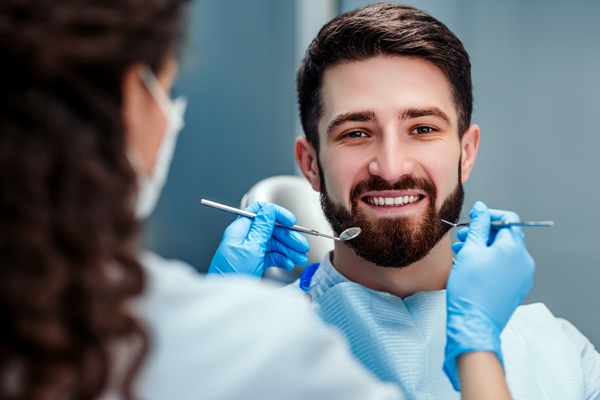
A full mouth reconstruction can restore damaged teeth, improve function, and give patients renewed confidence in their smiles. After treatment ends, daily habits play an important role in protecting those results. Crowns, bridges, implants, and other restorations often included in a reconstruction plan need regular care to stay clean and strong. A few simple tips can help you keep your smile in great shape for years to come.
Keep up with daily brushing
Brushing twice a day remains one of the easiest ways to protect reconstructed smiles. Plaque can collect around natural teeth, crowns, bridges, and other restorations just as it did before full mouth reconstruction. Removing that buildup by brushing helps protect the gums and lowers the risk of decay around vulnerable areas.
Clean between the teeth every day
Unfortunately, a toothbrush cannot reach every surface in the mouth. Food particles and plaque often hide between teeth or underneath certain restorations, making interdental cleaning an important part of maintaining the results of a full mouth reconstruction. Cleaning these areas daily can help protect both the restorations and the surrounding gum tissue.
Traditional floss works well for many patients. That said, bridges, implants, or closely spaced restorations may require floss threaders, interdental brushes, or a water flosser. A dentist can demonstrate the best technique for reaching difficult areas without damaging dental work.
Avoid putting dental restorations under unnecessary pressure
Modern dental restorations can handle normal chewing forces, but it is not a good idea to put unnecessary stress on them. Biting ice, chewing pens, opening packages with the teeth, or regularly crunching very hard foods can damage both natural teeth and restorations. Eliminating these habits can reduce the chance of chips, cracks, or premature wear.
Patients should also pay attention to nighttime grinding or clenching. These habits can place substantial pressure on treated teeth for hours at a time. A custom night guard may help protect the new smile while the patient sleeps.
Make routine dental visits part of the plan
Completing a full mouth reconstruction does not mean dental care stops once the final restoration goes into place. Regular checkups allow a dentist to examine the teeth, gums, bite, and restorations, as well as scale away any plaque and tartar buildup. These appointments give the dentist a chance to catch and address any small concerns, too. Examples include loose crowns and gum disease.
Choose foods with the smile in mind
Patients do not need to follow a highly restrictive diet after reconstruction heals. Still, everyday food choices can influence how well restorations hold up over time. For example, a balanced diet can support the natural teeth and gums surrounding the restorations, while eating a lot of sugary or acidic foods increases the risk of decay. In the same vein, extremely hard or sticky foods may place unnecessary strain on certain dental work.
Do not overlook small problems
A tiny chip, slightly rough edge, or loose-feeling crown may seem easy to ignore when the rest of the smile feels fine. However, addressing these changes early gives a dentist more options for protecting the restoration. Waiting can allow a small problem to place greater stress on nearby teeth or dental work.
Helping your full mouth reconstruction last
Maintaining the results of full mouth reconstruction does not require complicated changes to everyday life. A dentist can give maintenance recommendations based on the specific treatments included in your reconstruction plan. Following that personalized plan can give your restored smile the support it needs over the long term. Call our office for more information.
Request an appointment here: https://www.larochedental.com or call LaRoche Dental at (718) 750-8104 for an appointment in our Hollis office.
Check out what others are saying about our dental services on Yelp: Full Mouth Reconstruction in Hollis, NY.
Related Posts
If you want to improve the look of your smile, then the first person to visit is your local cosmetic dentist. Cosmetic dentistry is the branch of dental care that covers all the different types of aesthetic treatments that make your smile look its best. If you have alignment issues making your teeth look crooked,…
While veneers are technically considered cosmetic treatments, a cosmetic dentist may describe additional benefits to getting them added to the teeth. Dental veneers can both improve the look of the smile and help keep teeth healthy. These thin, customized shells cover the front of the teeth and can be customized to match the color of…
When a person wants to improve the color or overall appearance of their teeth, a cosmetic dentist can provide numerous treatment options. One popular solution is enhancing the smile with dental veneers. These thin coverings are designed to fit over existing teeth to create a whiter, more symmetrical look. Patients with a variety of cosmetic…
Like the first visit with a family or general dentist, the first visit with a cosmetic dentist is more of a get-to-know-you session. Cosmetic dentistry uses advanced and sometimes complex procedures to transform patients’ smiles. Because such procedures help to restore function and improve the teeth's overall appearance, there is a lot at stake for…